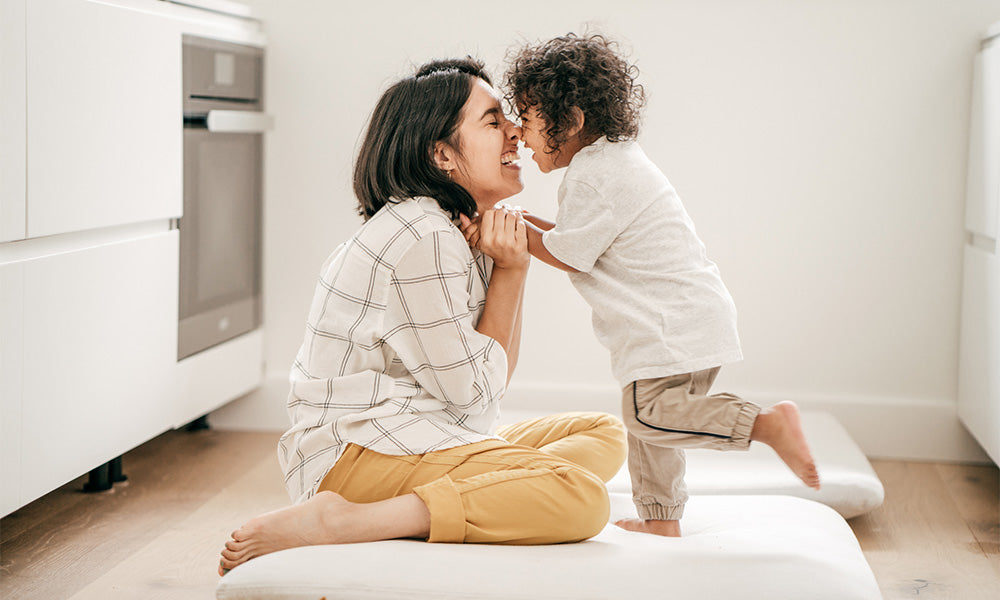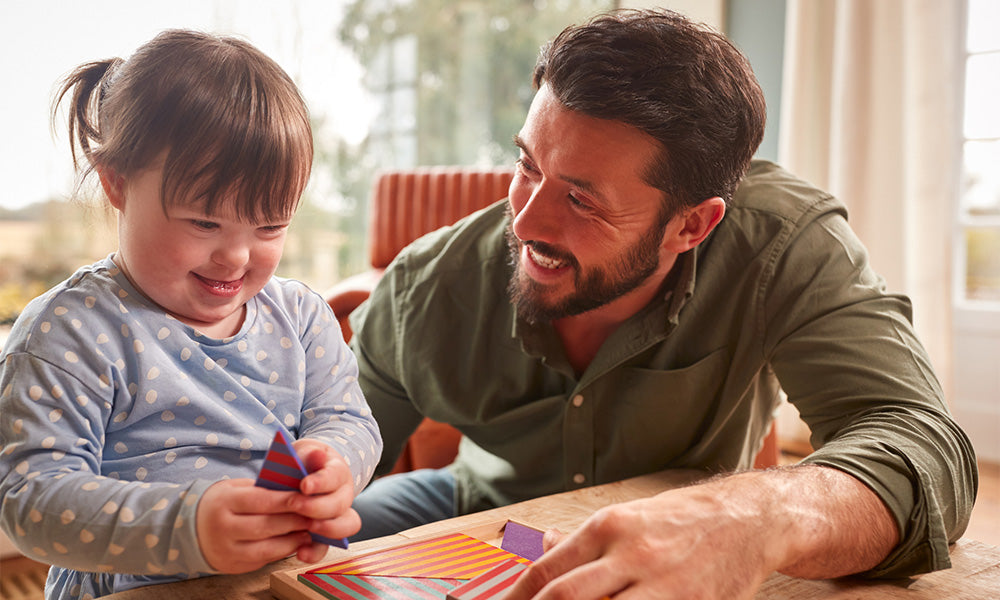

Gratitude takes shape through everyday family life. In homes where appreciation is part of the culture, it shows up in routines, small gestures and simple moments that influence how children understand the world around them. Though it’s difficult to teach, gratitude develops within our little ones when they see how we show up for and connect with one another.
At Kiddie Academy®, we commissioned a survey of 2,000 caregivers of children ages 0–6 and explored how parents are cultivating appreciation and thankfulness in their little ones. The results show that these values are alive and thriving in modern families. Caregivers reported that gratitude manifests in ways both large and small, shaping the emotional atmosphere within a home:
- 95% of caregivers said it’s important that their little ones are thankful for what they have.
- 95% also acknowledged that everyone, including themselves, need to be reminded to be thankful now and then.
- 92% said they are proud of the awareness their little ones show in how they treat others.
- 79% have even found it to be easy to instill a sense of gratitude in their child.
- Nearly 60% of parents think their children are more grateful for what they have than they were at the same age.
These aren't just numbers, they reflect a deeper truth about parenting today: thankfulness is not a skill that can be forced. It’s a state of mind that is proven to make life more enjoyable.
The unexpected ways our little ones show gratitude
Even the youngest family members show thanks in imaginative, unpredictable and deeply human ways. When caregivers were asked during our survey to record what their little ones were most thankful for, responses ranged from heartfelt to humorous:
- “My kitty cat”
- “Chicken Dino nuggets”
- “Folding laundry”
- “Everything in the entire world, except mosquitoes”
- “Spiderman”
- “My bubby sometimes” (note from mom: bubby means brother)
These candid answers demonstrate that gratitude isn't always expressed in words — it's reflected in the joy and curiosity our little ones bring to everyday life. Watching them notice the small joys — a sibling’s smile, a favorite snack or a shared moment of play — reminds caregivers of the simple pleasures that make life meaningful.
Caregivers model gratitude everyday
Caregivers model appreciation daily, often without even realizing it. Our research shows parents demonstrate gratitude in a variety of ways:
- 62% pay it forward through small acts of kindness
- 60% return favors whenever possible
- 58% send a thank-you text or message
- 49% make a phone call to express appreciation
These moments are micro-expressions of gratitude that shape a household's culture. They reinforce values, strengthen connections and help our little ones internalize kindness through experience rather than instruction.
Gratitude as the emotional glue
For caregivers, this lived appreciation has a reciprocal effect. As our research shows, 91% of adults feel thankful themselves when they witness their little ones expressing appreciation, highlighting how deeply connected family life is to emotional well-being. Gratitude isn't a one way street, instead it flows between parent and child.
Gratitude grows in small moments. When caregivers and little ones live it together, it becomes the heartbeat of family life.