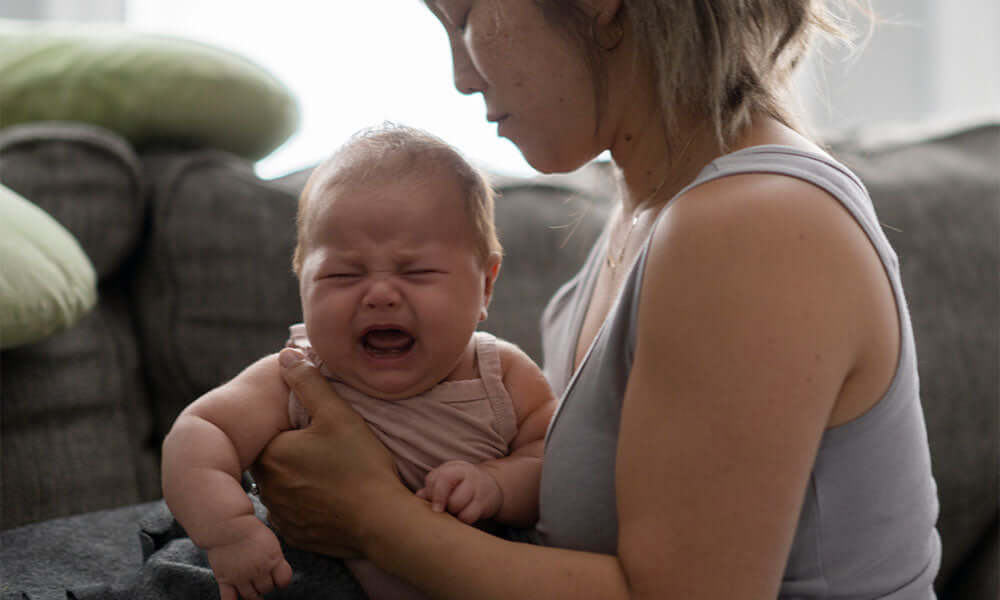
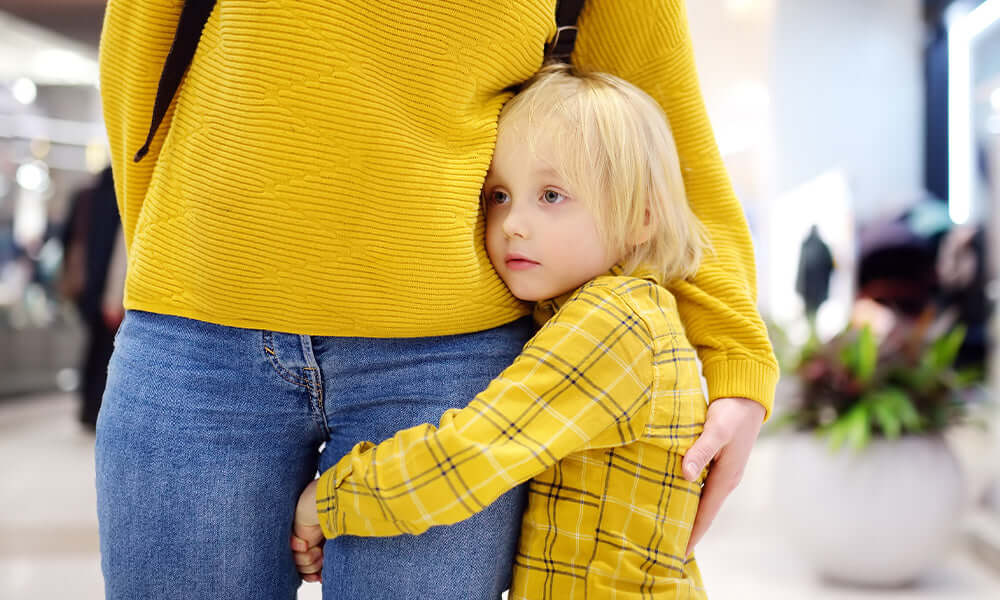
Few parenting milestones tug at the heart quite like the first goodbye. Whether it's the first day of childcare or leaving your little one with a trusted family member for the first time, separation anxiety can surface quickly for a child or primary caregiver.
Understanding these emotions on both sides can help your family move through this stage with confidence and as little stress as possible.
When does separation anxiety begin?
Separation anxiety is a natural and healthy stage in your little one's development. It typically begins between 6 and 18 months of age, once a child develops object permanence — the understanding that people and things still exist even when they can't be seen.
As young children begin to grasp this concept, they also recognize their parents or primary caregivers as their secure base. When that secure base leaves, even briefly, it can feel unsettling. From an evolutionary standpoint, this response once helped young children stay safe as they learned to explore their surroundings. While strong reactions to separation (such as crying, screaming or clinging) can be difficult to witness, they are a sign that your child has formed a healthy attachment.
Separation anxiety from the parents perspective
We often focus on the child's experience when talking about separation anxiety, but parents can have difficult feelings as well. For many caregivers, especially first-time parents, being away from their child can be overwhelming. No longer being in control of your little one's direct environment or immediate needs can be scary. This shift can bring guilt, worry and even physical symptoms.
While maternal separation anxiety is often discussed — particularly due to postpartum hormonal changes — any primary caregiver can experience these feelings. And just like children’s anxiety, it deserves compassion and support.
At Kiddie Academy®, we approach transitions with intention — building confidence while nurturing a strong sense of belonging. We understand that meaningful connection is foundational to a child's overall development, shaping how they build relationships and communicate with others. Trained educational staff create warm, supportive environments where children feel safe, capable and supported, while giving parents peace of mind.
How to ease the transition — for everyone
The most important thing to remember is this: our little ones take emotional cues from the adults they trust most. That doesn’t mean you shouldn’t feel anxious. It simply means we should manage those feelings thoughtfully and intentionally when in their presence. Children look to us for reassurance, and our calm confidence helps them believe they are safe.
Here are some strategies to help ease the transition:
Start small:
Practice short separations, like a quick trip to the store or lunch with a friend. Gradually increasing time apart builds confidence for parent and child. Even games like peek-a-boo can be a great way to prepare your baby for separation.
Keep goodbyes short and predictable:
Having a quick, confident goodbye ritual — such as a hug or high five — helps children know what to expect from their routine. While lingering can unintentionally prolong distress, leaving without saying goodbye can be even more unsettling. Slipping out may seem easier in the moment, but can create confusion and anxiety, possibly leading your little one to worry that you might disappear again. A clear, consistent goodbye reassures them that you will always let them know when you’re leaving and that you’ll be back.
Stay busy:
When your little one is away, engage in something purposeful — work, read, go on a walk or start a hobby. Structure can reduce unnecessary stress. Rest assured knowing your child care provider is likely offering fun activities to keep your child busy as well.
Talk about it:
You are not alone – sharing your feelings with trusted friends, family members or other parents can normalize the experience. Also be sure to talk to your child, no matter their age, as part of the process, reminding them that “mommy and daddy always come back.”
Every goodbye, when handled with intention and love, helps prepare your child for a lifetime of secure relationships and confident exploration. Because when our little ones recognize their own strength and resilience, separation becomes a stepping stone — not a setback.